
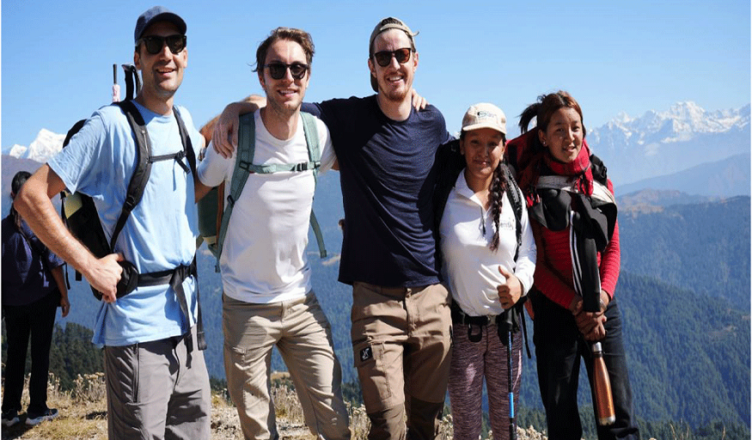
Most people planning an Everest trek spend weeks comparing itineraries, reading blogs, and worrying about Lukla flights. That’s completely normal — Lukla’s airstrip has a reputation, and not always a good one. But here’s the thing: the biggest question isn’t always whether you can reach Everest Base Camp. It’s choosing the route that actually gives you the best overall experience, given your time, fitness, and how much you want to see along the way.
Some trekkers love the short Pikey Peak trek, 4 days, because it delivers stunning Everest views in less than a week without needing three weeks off work. Others prefer the slower Pikey Peak trek, 7 days, which trades speed for extra time in Sherpa villages, peaceful pine and rhododendron forests, and a gentler pace of acclimatization. For hikers chasing the original Everest trail — the one climbers walked long before Lukla’s airstrip existed — the Jiri to Everest Base Camp Trek remains one of Nepal’s greatest long-distance adventures. And for travelers who’d rather not gamble on unpredictable mountain flights at all, the Everest Base Camp Trek Without Flight to Lukla offers a way into the Khumbu by road, sidestepping the whole flight-delay headache.
This guide walks through every route: who each trek suits best, what makes them special, how hard they really are, when to go, and how to pick the one that fits you.
Why These Alternative Everest Routes Are Becoming More Popular
There’s a reason more trekkers are looking past the standard fly-to-Lukla-and-back itinerary. Lukla flights get cancelled or delayed constantly, especially during the busier autumn and spring seasons, and nobody wants to burn two or three days of their holiday sitting in a Kathmandu hotel waiting for the weather to clear.
Read More : Best NEPAL 4 TREKS WITH Tilicho
Road-access treks solve that problem outright. Routes like the Pikey Peak trek, 4 days, the longer Pikey Peak trek, 7 days, and the Everest Base Camp Trek Without Flight to Lukla all start (or largely start) by road, so your trip isn’t hostage to mountain weather before you’ve even taken your first step. On top of that, these trails tend to be quieter. You’ll pass through genuine Sherpa villages that haven’t been reshaped entirely around tourism, eat dal bhat cooked the way local families actually eat it, and get long, uninterrupted mountain views without a line of trekkers in every photo. Add in the flexibility to shorten or extend an itinerary depending on your schedule, and it’s easy to see why these alternatives have quietly become some of the most recommended treks in Nepal.
Pikey Peak Trek, 4 Days – A Short Trek With Incredible Everest Views
If you’re short on time but don’t want to compromise on scenery, the Pikey Peak trek, 4 days is honestly one of the best-kept secrets in the Everest region. It’s a compact route, usually starting from Jiri or a nearby roadhead, climbing steadily through forest trails before reaching Pikey Peak itself at a little over 4,000 meters.
Don’t let the short duration fool you — the views from the summit at sunrise are, by many accounts, on par with anything you’ll see from the classic Everest trail, including Everest, Lhotse, Makalu, and a wide sweep of the Himalayan range lit up in orange and pink. The walking days are moderate, usually five to six hours, so you don’t need to be an elite athlete to enjoy it. You’ll pass through rhododendron forests that turn brilliant red and pink in spring and stay in small tea houses run by Sherpa families along the way.
This makes the Pikey Peak trek, 4 days a genuinely great option for beginners, for people trekking with limited holiday time, or for anyone who wants a taste of high-altitude Nepal without committing three weeks to it. It’s also a smart warm-up trek if you’re testing your fitness before attempting something bigger later on.
Pikey Peak Trek, 7 Days – A More Relaxed Journey Through Lower Everest
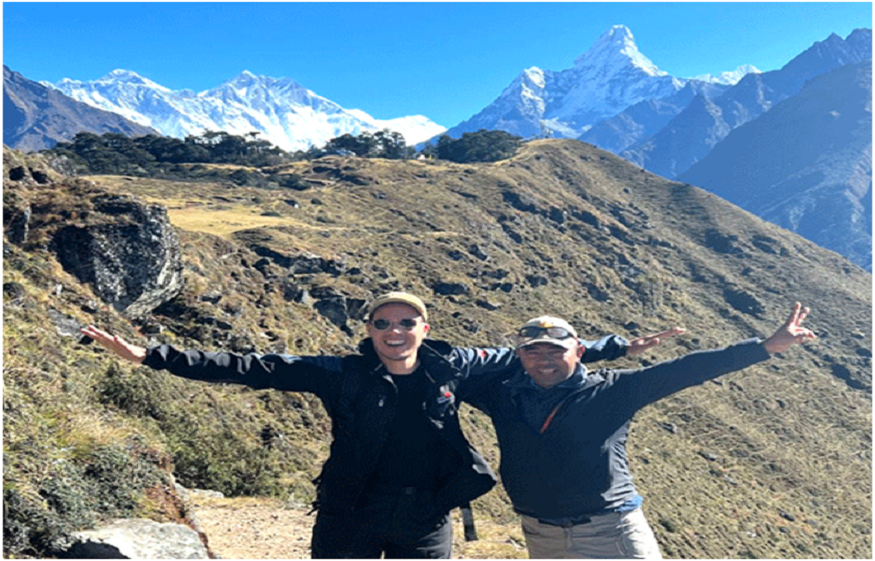
If four days feels a bit rushed, the Pikey Peak trek, 7 days stretches the same general route into a slower, richer experience. Instead of racing to the viewpoint and back, you get extra nights in villages, more time to explore local monasteries, and a pace that lets your body properly acclimatize rather than just push through.
Compared to the Pikey Peak trek, 4 days, this version adds detours to smaller settlements that most short-itinerary trekkers never see. You’ll have more time for photography — early morning light on the peaks, terraced fields, prayer flags strung between pines — and more chances to sit down with local families over tea and actually talk. It’s less about ticking off a summit and more about soaking in the lower Everest region at a human pace.
For trekkers who value cultural encounters as much as mountain views, or who simply prefer not to feel rushed on holiday, the 7-day version tends to be the more satisfying option. It also builds in a bit of a buffer, which helps if weather or trail conditions slow you down on any given day.
Jiri to Everest Base Camp Trek – Walking the Original Everest Trail
Before Lukla’s airstrip was built in the 1960s, every Everest expedition — including Sir Edmund Hillary and Tenzing Norgay’s historic 1953 climb — approached the mountain on foot from Jiri. The Jiri to Everest Base Camp Trek follows that same historic path, and it’s still one of the most rewarding long-distance treks in the world for people who want the full journey, not just the destination.
This route is considerably longer than flying straight into Lukla, typically adding a week or more to your itinerary, but that extra time is exactly the point. You gain altitude gradually, which means better natural acclimatization and fewer issues with altitude sickness by the time you reach the high Khumbu. Along the way you’ll cross the Lamjura Pass, wind through scenic mid-hill valleys, and walk over a fair number of suspension bridges strung with prayer flags over rushing rivers.
The trail passes through a string of Sherpa and Rai villages that see far fewer tourists than the main Everest Highway near Namche Bazaar, so the cultural texture here feels noticeably different — more lived-in, less commercialized. You’ll pass old monasteries, mani walls, and terraced farmland long before the trail joins the busier route at Lukla or Phakding.
For trekkers who want to say they walked the classic route, the same trail that early climbers and Sherpa guides walked for decades, the Jiri to Everest Base Camp Trek is hard to beat. It demands more time, more stamina, and a genuine willingness to spend long days on the trail, but it rewards that effort with quieter paths and a much deeper sense of place.
Everest Base Camp Trek Without Flight to Lukla – The Best Choice for Travelers Avoiding Flights
Plenty of trekkers simply don’t want to deal with Lukla’s flights at all, and honestly, that’s a fair call. The airstrip is short, high-altitude, and weather-dependent, which means delays and cancellations happen often enough to genuinely disrupt a trip. The Everest Base Camp Trek Without a Flight to Lukla gets around all of that by using road transport instead.
Typically, this route involves a long but scenic jeep drive from Kathmandu to Salleri or Phaplu, both in the Solukhumbu district, before starting the trek on foot from there. It’s a bumpy ride, no question, but it trades flight anxiety for solid ground and a fixed departure time that isn’t at the mercy of mountain clouds.
From Phaplu or Salleri, the trail joins routes similar to the Jiri approach, gradually climbing through forested hills and Sherpa settlements before merging with the main Everest trail near Lukla or Phakding. Because you’re covering more ground on foot before reaching high altitude, this version naturally builds in better acclimatization, which is genuinely useful for reducing altitude sickness risk higher up.
The main appeal of the Everest Base Camp Trek Without a Flight to Lukla is control. You’re not waiting on a weather window, you’re not stuck in Kathmandu burning trip days, and your itinerary stays flexible since road travel isn’t cancelled the way flights are. It does mean a couple of extra trekking days, but for many people that’s a fair trade for peace of mind.
Which Trek Is Right for You?
Here’s the honest breakdown. If you want a short adventure with a big payoff, the Pikey Peak trek, 4 days fits travelers with limited time who still want genuine Everest-region views. If you’d rather slow down and soak it in, the Pikey Peak trek, 7 days suits people who prioritize culture, photography, and a relaxed rhythm over speed.
For a true classic Everest experience — the full historic journey — the Jiri to Everest Base Camp Trek is the obvious choice, best suited to trekkers with three or more weeks and a taste for long-distance walking. And if avoiding Lukla flights is your priority, whether due to past bad experiences, tight scheduling, or just nerves about mountain aviation, the Everest Base Camp Trek Without Flight to Lukla is the practical, dependable alternative.
Best Time to Do These Treks
Spring (March to May) and autumn (late September to November) are the sweet spots for all four routes. Skies are generally clear, temperatures are manageable, and visibility for those big Everest panoramas is at its best — which matters a lot on the Pikey Peak trek, 4 days and Pikey Peak trek, 7 days, where the whole point is the mountain view.
Winter (December to February) is workable too, especially for the Jiri to Everest Base Camp Trek, since lower elevations stay relatively mild even when high passes get cold and quiet — fewer crowds, crisper air, though you’ll want proper cold-weather gear. Monsoon season (June to August) is generally the toughest call. Trails get muddy, leeches show up in the lower forested sections, and cloud cover often blocks the views entirely, which makes it the least popular time for the Everest Base Camp Trek Without Flight to Lukla or any of these routes, honestly.
Trek Preparation and Useful Tips Before You Go
None of these treks require mountaineering experience, but reasonable fitness helps a lot, especially on longer days along the Jiri to Everest Base Camp Trek. A few months of regular walking or hiking beforehand makes a real difference. Pack in layers, bring a good sleeping bag rated for cold nights, and don’t skimp on decent boots that are already broken in.
You’ll need the right permits regardless of which route you choose — TIMS card and local area permits, depending on the region — and it’s worth checking current requirements before you fly out, since rules do shift year to year. Whether you go with a guide or trek independently is a personal call; guides make navigation and logistics easier, particularly on quieter trails like Jiri or the Pikey routes where signage is thinner. Travel insurance that covers high-altitude trekking and emergency evacuation is non-negotiable, not optional. Drink more water than feels necessary; go slow on acclimatization days; and pack out your rubbish — these trails stay beautiful because people treat them with respect.
Final Thoughts
At the end of the day, the “best” trek is really the one that matches your time, budget, fitness, and what you actually want out of the experience. If you’ve only got a few days but still want jaw-dropping Everest views, the Pikey Peak trek, 4 days delivers. Want a slower, richer version of the same route? The Pikey Peak trek, 7 days is worth the extra time. If you’re after the full historic journey on foot, the Jiri to Everest Base Camp Trek is unmatched. And if flights to Lukla make you nervous or you just want a more reliable start to your trip, the Everest Base Camp Trek Without Flight to Lukla solves that neatly. Whichever you pick, you’re heading into some of the most spectacular mountain country on earth — just choose the version of that journey that actually suits you.
Frequently Asked Questions (FAQs)
1. Is the Pikey Peak trek, 4 days suitable for beginners?
Yes, it’s one of the more beginner-friendly treks in the Everest region. Walking days are moderate, usually five to six hours, and the altitude gain is gradual enough that most reasonably fit trekkers manage it without major issues. It’s a great option if you’re new to high-altitude trekking but still want genuine Himalayan views without committing weeks to a longer expedition.
2. What is the difference between the Pikey Peak trek, 4 days, and the Pikey Peak trek, 7 days?
Both follow a similar route and reach the same viewpoint, but the 7-day version spreads the journey out more slowly. You get extra village stays, more cultural interaction, better acclimatization, and more time for photography. The 4-day version is faster and more efficient, while the 7-day option feels more relaxed and immersive overall.
3. How difficult is the Jiri to Everest Base Camp trek?
It’s considerably harder than flying into Lukla simply because of the extra distance and days involved. You’ll face several steep ascents and descents through the mid-hills before even reaching the main Everest trail. That said, the gradual altitude gain actually helps with acclimatization, so while it’s physically demanding, it’s often gentler on your body than a rapid fly-in approach.
4. Can I complete the Everest Base Camp Trek without a flight to Lukla safely?
Yes, thousands of trekkers do this route safely every year. The road journey to Salleri or Phaplu is long and a bit rough, but it’s a well-established route. Walking the extra distance to reach the main trail also means better natural acclimatization, which can actually reduce altitude sickness risk compared to flying straight into higher elevations.
Read More : Over peak and Societies: Nepal’s Trekking Essence:
5. Which trek offers the best Everest views without a long expedition?
The Pikey Peak trek, whether the 4-day or 7-day version, is generally considered the best option for maximum Everest views with minimal time commitment. The sunrise panorama from Pikey Peak rivals views from much longer, higher-altitude treks, making it ideal for travelers with limited time who still want that classic Himalayan payoff.