
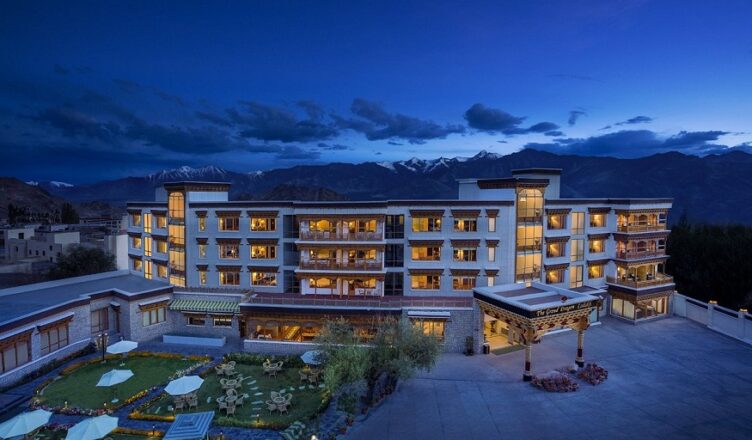
I have visited Leh to feast my eyes on its breathtaking landscapes. The scenic beauty of high altitude paths and monasteries and the extraordinary sight of the sky at altitudes over 3,500 meters were alluring to me. However, I did not include food in my itinerary. I had thought that I would eat whatever was available without giving it any further thought. However, by the third day in Leh, I found myself planning my day around my meals instead of the other way around.
What Leh’s food culture actually is?
Leh is located at an altitude of 3,500 meters in the Ladakh region of India. It is usually cold in Leh, often blocked off by snow. Being cold and ‘marooned’ for most of the year, it is heavily reliant on what can be harvested locally and trade routes for its food. This geographical environment has shaped its culinary traditions, characterised by warm and sustaining food that provides comfort in cold temperatures. This is not the food that impresses; it is rather the food that sustains, which is what matters at such altitude.
Thukpa: The bowl that fixes everything
Thukpa is a noodle soup that originated in Tibet and found a permanent home across Ladakh and the broader Himalayan region. It is made with hand-pulled or dried noodles in a broth built from meat or vegetables, spiced simply and served very hot.
I had my first bowl at a small restaurant near the main bazaar on my second evening. The broth was thick and slightly smoky. The noodles had enough bite to feel substantial. A few pieces of mutton sat at the bottom of the bowl. Outside, the temperature had dropped sharply after sunset. Inside, with that bowl in front of me, I felt immediately and completely warm. I had thukpa four more times over the remaining days. Each time felt justified.
Momos: Deceptively simple, endlessly good
Momos are steamed or fried dumplings filled with meat or vegetables. They appear across the Himalayan belt, from Darjeeling to Dharamshala, but the versions in Leh have a particular quality that I suspect comes from the altitude making everything taste slightly more intense.
The mutton momos at a small stall near Leh’s main market were the best I have had anywhere. Thin skin, generous filling, served with a red chilli chutney that had real heat and did not drown the flavour of the meat. I ate them slowly and felt no guilt about ordering a second plate immediately.
Skyu: The dish worth seeking out
Skyu is a local dish from Ladakh that is usually missed by almost all the tourists since it is not prominently featured on menus. This dish consists of a thick stew made with pieces of traditionally rolled wheat dough mixed with root vegetables and occasionally mutton.
The owner of a guesthouse directed me to a small home-style restaurant close to the old town where I could taste this delicacy. I visited the restaurant on the third day of my trip. When I ordered skyu, I was given a large bowl full of hot and wholesome food that was full of flavour, reflecting long hours of preparation. This dish is eaten by local families during winter months, and having it in Leh gave me a sense of being part of the local culture.
Read More: Above the Noise: Why We’re Drawn to High Places
Butter tea: An acquired taste worth acquiring
Butter tea is made with tea leaves, yak butter, and salt. It is served everywhere in Leh, in restaurants, guesthouses, monasteries, and homes. It tastes nothing like any tea you have had before.
The first cup is genuinely surprising. It is savoury, slightly oily, and warm in a way that goes beyond temperature. The second cup makes more sense. By the third, you understand why people at altitude drink it constantly. It replaces in you what the cold takes away. Salt, fat, warmth, all at once. I drank it every morning. By the end of the trip I was looking forward to it.
Apricot jam and local bread: The breakfast that earns its place
Ladakh grows apricots in abundance during the short summer season. The jam made from them appears on breakfast tables across Leh, a deep orange preserve with a tartness that wakes you up more effectively than coffee.
Read More: Uganda Safari Cost Guide Save Money Without Missing the Experience
Paired with thick local bread, slightly dense and very filling, this breakfast appeared at my guesthouse every morning. It is not a dramatic meal. It is quiet and good and perfectly suited to a morning at altitude where you need something solid before the day begins. I carried two jars of apricot jam home. They lasted less than a week.
The bottom line
The best hotels in Leh are adjacent to the older town. The aspect has much significance in terms of food. Indeed, it can be said that what mountain food tells us is that comfort is an important goal of the culinary undertaking. At 3,500 metres, with thin air and real cold outside, a bowl of thukpa or skyu is not just food but the thing which makes it possible to survive that day.
The experience in Leh has taught me that the best food does not necessarily need to shout. It can come in the most unpretentious form and be served at a small café with plastic chairs at the end of a cold night when you really need it.