
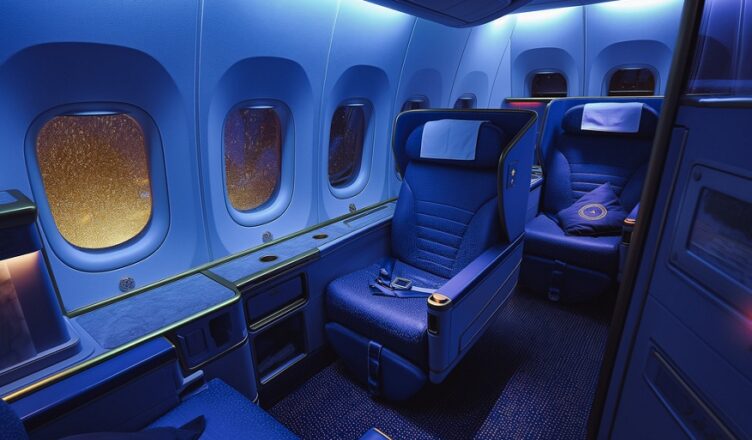
Aircraft interiors pack a lot into tight spaces. Engineers constantly balance conflicting needs. What’s the maximum equipment load? Where should emergency controls be placed for pilots? What if someone must evacuate immediately? The answers shape how missions unfold.
Balancing Function with Human Factors
Many people don’t realize that a poorly designed cabin can deplete a crew’s energy faster than working an additional shift. This highlights the critical importance of human factors in engineering design. Think about engine noise. Six hours of roaring makes even skilled pilots lose focus. Engineers install sound-absorbing panels to muffle the roar to a hum. Engineers position vents to provide fresh air without uncomfortable drafts. The lighting is carefully considered. It is done so to provide enough brightness for instrument reading while being soft enough to prevent headaches.
Seats matter more than you’d expect. A fraction of an inch can make the difference between a crew member who stays alert and one fighting back pain. Control placement follows similar logic. Engineers measure arm lengths, test reach distances, and watch how real crews move during operations. Then they adjust. And adjust again.
Safety Through Strategic Design
Aviation safety is non-negotiable. Protection is the purpose behind every component, including the materials, fasteners, and surfaces. Fire-resistant fabrics cover the seats and walls. Not fireproof, that’s impossible, but materials that buy precious seconds during emergencies. Cargo nets and equipment racks use military-grade hardware that stays locked during violent turbulence. Padding appears in unexpected places because engineers know exactly where heads and limbs end up during hard landings.
The best safety features remain invisible until needed. Seats that look ordinary contain energy-absorbing structures like race car technology. Floor panels hide reinforced attachment points for medical equipment. Even seemingly decorative trim pieces deflect debris away from occupants.
Customization for Specialized Operations
A police helicopter needs different tools than an air ambulance. Recognition of this drives the entire customization industry. Medical aircraft demonstrate this perfectly. Companies like LifePort have transformed how air medical teams operate by developing mission seating and interior systems that turn helicopters into flying emergency rooms. Their work lets paramedics perform complex procedures while airborne; something impossible without the right engineering foundation.
Flexibility keeps aircraft useful across changing missions. Morning configuration might support patient transport. By afternoon, the same aircraft could be set up for search operations. Quick-change mounting plates, fold-away components, and multi-purpose brackets make these transformations possible. Smart operators buy aircraft that adapt rather than vehicles locked into single roles.
Technology Integration and Future Horizons
Cockpits from twenty years ago look ancient compared to current designs. Screens replaced hundreds of individual gauges. Wireless connections eliminated miles of cable. Computers now handle tasks that once required constant pilot attention. But technology serves the crew, not the other way around. Power outlets sit exactly where tablets need charging. Display brightness adjusts automatically as daylight fades. Communication systems filter out background noise without cutting important radio traffic. Small improvements add up to major operational gains.
Tomorrow’s cabins will push boundaries further. Imagine windows that display flight data directly on the glass. Or seats that automatically adjust posture to combat fatigue. Maybe artificial intelligence will suggest optimal cabin configurations based on weather, mission type, and crew experience.
Conclusion
That great aircraft interior engineering often goes unnoticed is by design. Effective airborne rescue and law enforcement rely on aircraft workspaces that facilitate. They don’t want them to obstruct the work of paramedics, rescue crews, and police. Behind every successful mission stands careful engineering that anticipated needs. Engineering that solved problems and created possibilities. As aviation pushes forward, cabin design will keep pace, always focusing on one goal: helping crews accomplish their missions safely and effectively.